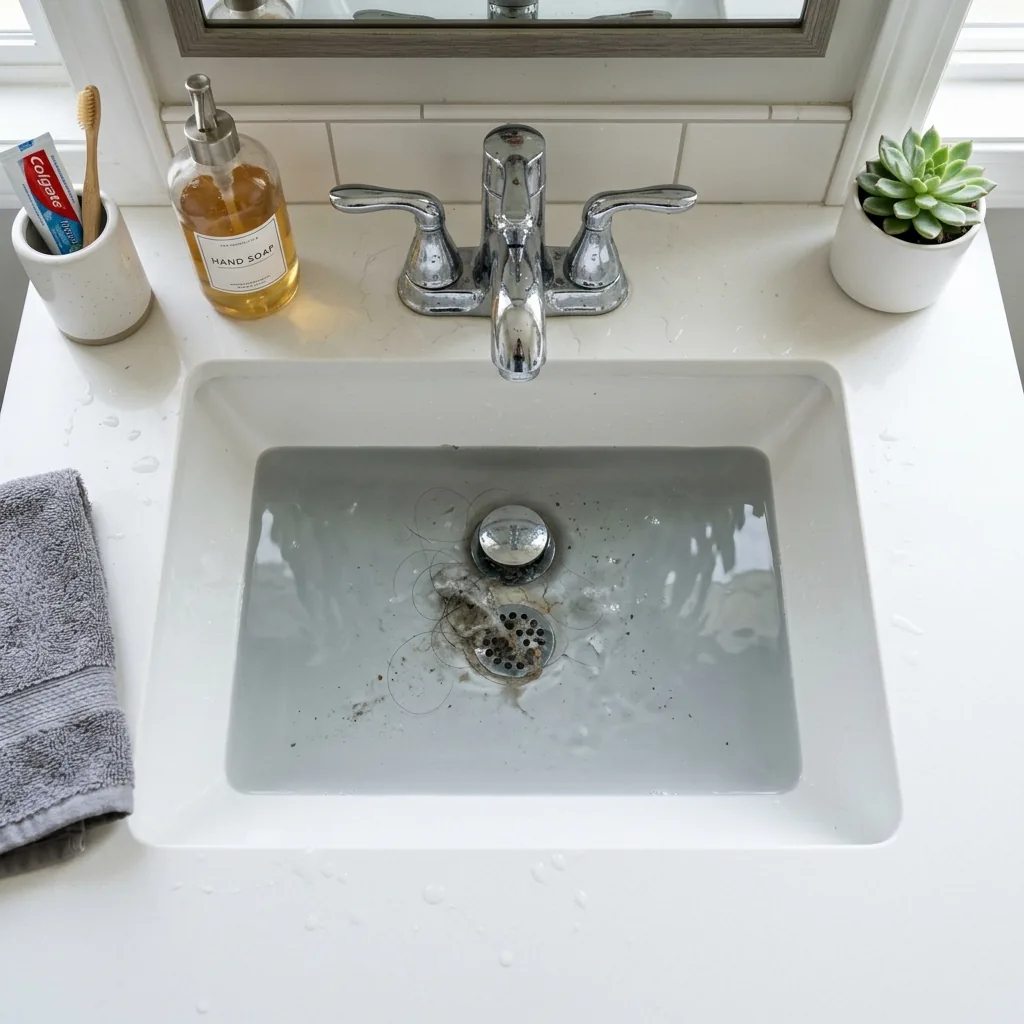
Learning how to prevent drain clogs is easier than most homeowners think — and far cheaper than an emergency call. Clogged drains are one of the most common (and frustrating) plumbing problems homeowners face. The good news? Most drain clogs are entirely preventable with a few simple habits and some basic maintenance. Following these practical tips will keep your drains flowing freely and help you avoid expensive plumbing service calls.
Kitchen Drain Prevention Tips
1. Never Pour Grease Down the Drain
This is the single most important rule for kitchen drain health. Cooking grease, oils, and fats solidify as they cool inside your pipes — building up layers over time that eventually create a complete blockage. Even grease washed down with hot water and dish soap will solidify further down the pipe where the water cools.
Instead: Pour grease into a disposable container (an old can or jar works great), let it solidify, then throw it in the trash.
2. Use a Drain Strainer
A simple mesh strainer over your kitchen drain catches food particles, coffee grounds, and other debris before they enter the drain. Empty and clean the strainer after every meal. A $5 investment that prevents major headaches.
3. Avoid These in Your Garbage Disposal
Your garbage disposal is not a trash can. Avoid putting these items in it:
- Fibrous vegetables (celery, artichokes, corn husks)
- Starchy foods (pasta, rice, potato peels)
- Coffee grounds (they accumulate in the drain)
- Eggshells and bones
- Any grease or oil
Bathroom Drain Prevention Tips
4. Install Hair Catchers
Hair is the number one cause of bathroom drain clogs — particularly in showers and bathtubs. A hair catcher screen (available at any hardware store for a few dollars) will collect hair before it enters the drain. Clean it after every shower.
5. Be Mindful of What Goes Down the Toilet
Toilets are designed for exactly two things: human waste and toilet paper. Everything else belongs in the trash, including:
- "Flushable" wipes (they don't break down like toilet paper)
- Cotton balls and Q-tips
- Paper towels and tissues
- Medications (use a drug take-back program)
- Cat litter, even "flushable" varieties
6. Rinse with Hot Water Regularly
Once a week, pour a pot of boiling or very hot water slowly down your kitchen sink drain. This helps dissolve soap residue, grease, and buildup before it becomes a blockage. For bathroom sinks, simply run the hot tap for a minute or two weekly.
DIY Maintenance Methods
7. Baking Soda and Vinegar Monthly Flush
Once a month, pour half a cup of baking soda down each drain, followed by half a cup of white vinegar. Let it fizz for 15–20 minutes, then flush with hot water. This natural combination helps break down buildup and deodorizes your drains.
8. Know When to Call a Professional
DIY prevention is great, but if you notice persistent slow drains despite your efforts, it's time to call a licensed plumber. A professional hydro-jet cleaning removes years of buildup from your pipes completely — something no household treatment can match.
Quick Reference: Drain Do's and Don'ts
✅ Do's
- Use drain strainers everywhere
- Run hot water after each use
- Monthly baking soda + vinegar flush
- Dispose of grease in trash
- Annual professional cleaning
❌ Don'ts
- Pour grease down drains
- Flush wipes or paper towels
- Over-rely on chemical drain cleaners
- Ignore slow drains
- Put fibrous foods in the disposal
Drains Running Slow Despite Prevention?
It's time for a professional cleaning. Call Best Value Plumb and we will connect you with a local pro for fast, affordable drain service.
📞 CallRelated reading: DIY vs Professional Drain Cleaning — when a clog beats prevention and it is time to call a pro.