The septic vs sewer question for coastal Florida homes is not just about preference — soil, water table, and local codes decide a lot of it. Many coastal Florida neighborhoods were never connected to a municipal sewer system, so a large share of homes — including plenty around Mary Esther and the Panhandle coast — rely on private septic systems. Whether you are buying a home here or have lived on septic for years without really thinking about it, understanding your system can save you from a very unpleasant surprise.
Both carry wastewater away and treat it, but the equipment, maintenance, and risks differ — especially on Florida’s low-lying coast. Here is a plain-language comparison.
1. 🌊 How a Septic System Works
A septic system is a private, on-site setup with two main parts: a buried tank and a drain field (also called a leach field). Everything from your toilets, sinks, showers, and laundry flows into the tank, where solids settle to the bottom and oils float to the top. Bacteria break down much of the waste, and the remaining liquid flows out to the drain field, where it filters slowly through the soil.
With healthy soil and a maintained tank, the system works quietly for years with no monthly bill. The trade-off: the entire system is your responsibility.
2. 🏙️ How a Municipal Sewer System Works
With municipal sewer, your home’s drains connect to a public sewer main, usually under the street. Wastewater flows to a treatment plant, where it is processed to meet environmental standards before being released.
The advantage is simplicity: no tank to pump, no drain field to protect. You pay a monthly charge and the utility handles treatment and main-line maintenance. Note: the lateral pipe from your house to the street is still typically yours to maintain.
3. 🧹 What Maintenance Each One Demands
Septic ownership comes with a short but important maintenance list, starting with pumping the tank on a schedule your pumper recommends. Between pumpings, watch what goes down the drains: grease, wipes (even “flushable” ones), and harsh chemicals can all harm the system. Keep vehicles and heavy equipment off the drain field, and direct roof runoff away from it.
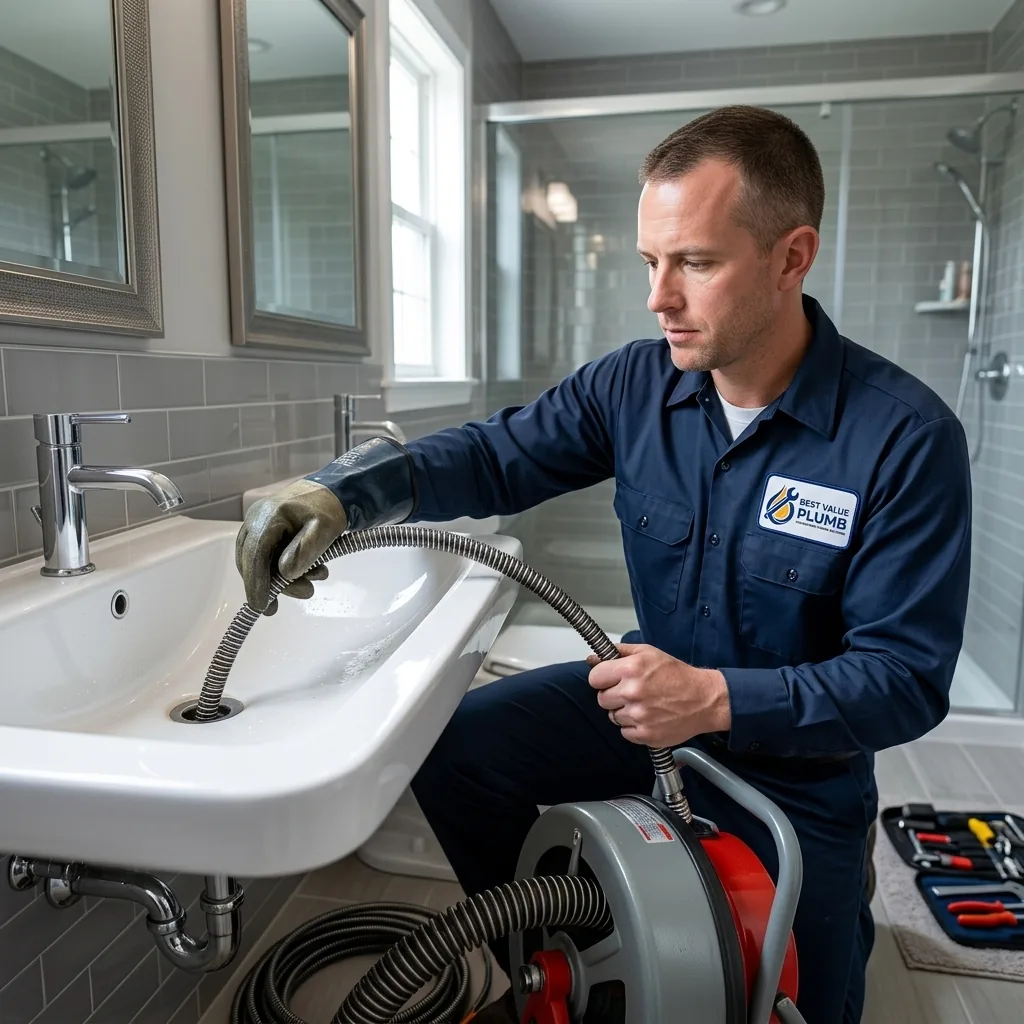
Sewer customers mostly need to avoid clogs: no grease down the kitchen drain, no wipes in the toilet, and attention to slow drains before they become backups. If your drains are sluggish, a professional drain cleaning can clear the line before a small clog turns into a sewage backup.
4. ⚠️ Floods and High Water Tables: The Coastal Catch
This is where coastal Florida changes the equation. Septic drain fields depend on unsaturated soil to absorb and filter wastewater. In low-lying coastal areas, the water table can sit just a few feet below the surface, and heavy rain or storm surge can saturate the drain field. When that happens, the system cannot drain properly — and wastewater can back up into the home or surface in the yard.
Sewer systems are not immune to flooding either, but a saturated drain field is the more common coastal headache for septic owners. If your area floods regularly, talk to a local professional about your options before the next storm season.
5. 🚩 Signs Your Septic System Is Failing
Septic problems rarely appear out of nowhere. Watch for these warning signs and act on them early:
- Drains are slow throughout the whole house, not just one sink
- Sewage odors inside the home or around the tank and drain field
- Standing water or soggy spots over the drain field, even in dry weather
- Unusually lush, green grass over the drain field compared to the rest of the yard
- Gurgling sounds from toilets or drains, or actual sewage backups
Any of these deserve prompt attention — septic failures get more expensive and messier the longer they wait.
6. 🔄 Can You Convert From Septic to Sewer?
In some areas, municipal sewer lines have been extended into neighborhoods that were originally on septic, and homeowners can choose to connect. Conversion means running a new lateral to the street main, paying connection fees, and properly abandoning the old tank per local rules.
Whether conversion makes sense depends on sewer availability at your street, the condition of your current system, and local regulations. If you are weighing the decision, talk to a local plumber in Mary Esther who knows the area’s systems and can give you an honest read on your options.
Related reading: Sewer Line Problems in Sandy Soil — what goes wrong with sewer lines in Florida sand.
Frequently Asked Questions
How often should a septic tank be pumped?
There is no single schedule that fits every home. Pumping frequency depends on tank size, household size, and how much water and waste the system handles. A reputable septic pumper can recommend a schedule after inspecting your tank.
Can I use a garbage disposal with a septic system?
It is best to minimize disposal use on septic. Ground-up food adds solids to the tank, which means more frequent pumping and more strain on the drain field. Scrape plates into the trash instead when you can.
Why does my septic system struggle after heavy rain?
Coastal Florida often has a high water table, and heavy rain can saturate the soil in your drain field. When the soil cannot absorb more water, the system slows down and wastewater can back up. Reducing water use until the ground drains helps.
Who is responsible for the sewer line from my house to the street?
In most cases, the homeowner is responsible for the lateral pipe running from the house to the municipal main, even though the utility maintains the main itself. If that lateral clogs or breaks, the repair is on you.
Septic Questions? Get Straight Answers
Not sure what your system needs? Best Value Plumb helps coastal homeowners with drain service and practical guidance. Call today and we'll connect you with a local plumber to talk through your options.
📞 Call