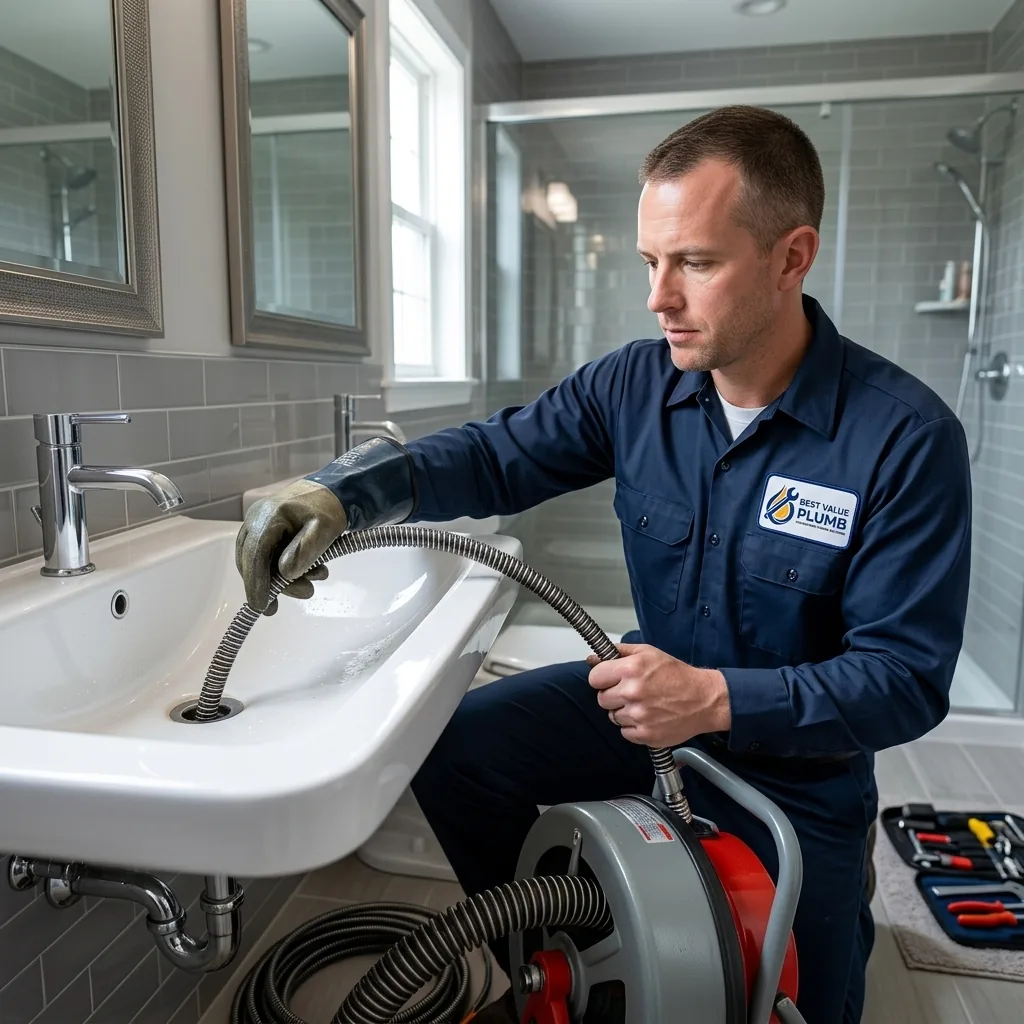
Sewer line problems in sandy soil are a Florida specialty: shifting sand lets pipes sag and separate in ways clay soil never would. Much of South Florida sits on deep, loose sand that shifts with every heavy rain. It is great for beaches and terrible for buried pipes: sewer lines in sandy soil sag, separate at the joints, and invite root intrusion in ways lines in stable clay never do.
The tricky part is that these problems hide underground — by the time sewage backs up into a shower, damage has usually been building for years. Here is what sandy soil does to sewer lines, how problems get diagnosed, and what repair involves.
1. 🏖️ Why Sandy Soil Is Tough on Sewer Lines
A sewer line depends on surrounding soil for support. In dense clay, a bedded pipe stays put for decades; in sand, heavy rains wash fine particles out from under the pipe, leaving unsupported spans that sag under their own weight — and wastewater pools in every sag instead of flowing through.
Sand also shifts. Seasonal wet and dry cycles, nearby construction, and even heavy vehicles can move sandy ground enough to stress rigid pipe joints. Over time, that movement opens tiny gaps at the joints, and tiny gaps are all tree roots need.
2. 📉 Bellies and Offsets: The Two Most Common Problems
A “belly” is a sagging section where wastewater collects instead of draining. Solids settle there, the line narrows, and drains throughout the house slow down. Bellies only get worse — standing water softens the soil beneath the sag, letting it deepen.
An “offset” is a joint where pipe sections no longer line up after the ground shifted. Even a small offset catches solids and hands roots a direct entry point. Both problems share the same symptoms — which is why a camera inspection matters: the fix for a belly differs from the fix for an offset.
3. 🌳 Root Intrusion Through Loose Joints
South Florida trees grow aggressively, and their roots relentlessly seek water. In sandy soil roots travel easily, and moisture seeping from a loose joint is an invitation — fine root hairs enter tiny gaps, then grow into a dense mat that snags everything flowing past.
Root intrusion starts silently — an occasional gurgling toilet, a slightly slow drain. Left alone, the root mass can crack the pipe or collapse the joint. Prompt attention to early symptoms keeps a root problem from becoming a pipe replacement.
4. 📹 Camera Inspections Show Exactly What Is Wrong
Guessing about underground pipes leads to wrong repairs. A sewer camera inspection sends a small waterproof camera through a cleanout and shows the inside of the line on a monitor — every belly, offset, crack, and root intrusion, along with its exact location and depth.
The inspection takes the mystery out of the estimate: your plumber shows you the footage, explains what is happening, and recommends the least invasive fix that will last. For sandy-soil homes with older lines or big trees, a camera inspection every few years is cheap insurance.
5. 🔧 Trenchless vs. Traditional Sewer Repair
Once the problem is mapped, two broad approaches exist. Traditional repair excavates and replaces the damaged section — effective for collapsed pipes and severe offsets, but it digs up landscaping, driveways, or patios. Trenchless methods, like pipe lining or bursting, work through small access points with far less digging.
- Traditional excavation: best for collapsed sections, severe offsets, or lines that have lost their grade entirely
- Trenchless lining or bursting: less disruption to landscaping and hardscaping, often faster, but not suitable for every situation
- Either way, the repair should restore proper slope so wastewater flows freely instead of pooling
The right choice depends on the pipe’s condition, depth, and location — exactly what the camera reveals. Be wary of anyone recommending full replacement without showing you footage first. Local drain cleaning and pipe repair pros diagnose first and recommend second — ask about pricing before work begins — for Oakland Park homeowners.
Sandy soil will always shift, but sewer disasters are optional. Heed the early warning signs, get a camera inspection when symptoms appear, and choose the repair that fits the actual problem. Best Value Plumb connects you with local pros with 24/7 emergency service — call us before a small problem becomes a backup inside.
Related reading: Septic vs Sewer for Coastal Florida — which system your coastal home likely has.
Frequently Asked Questions
How do I know if my sewer line is damaged?
The most common signs are multiple slow drains at once, gurgling toilets, sewage smells indoors or in the yard, and frequent clogs that keep coming back after clearing. A camera inspection confirms the cause.
What is a sewer line belly?
A belly is a sagging section of pipe where wastewater pools instead of flowing through. Solids settle in the low spot, the line gradually narrows, and drains slow down. Bellies are especially common in sandy soil that washes out from under the pipe.
Can tree roots really break a sewer pipe?
Yes. Roots enter through tiny gaps at pipe joints and grow into dense mats that block flow. As they thicken, they can crack pipes or force joints apart. Homes with large trees near the sewer line should be inspected more often.
Is trenchless sewer repair available in Oakland Park FL?
Often, yes — but it depends on the pipe’s condition. A camera inspection shows whether lining or bursting will work or whether traditional excavation is needed. Always get the inspection before choosing a method.
Worried About Your Sewer Line?
Slow drains, gurgling toilets, or sewage smells? Call Best Value Plumb and we'll connect you with a local pro for a camera inspection.
📞 Call