If you smell gas right now: leave the house immediately, do not touch any switches or phones inside, and call your gas utility or 911 from outside. Read the rest once you are safe.
Natural gas is odorless, so utilities add mercaptan — the rotten-egg smell — precisely so leaks are detectable. A gas leak is not a DIY project and not a wait-and-see situation. Here are the 7 signs, and exactly what to do about each.
1. 🥚 The Rotten-Egg Smell (Mercaptan)
The unmistakable sulfur/rotten-egg odor is the number-one warning sign — it is added to natural gas deliberately because the gas itself has no smell. If you notice it near an appliance, in the basement, or anywhere in the house, treat it as a leak until proven otherwise.
Do: leave immediately. Do not: hunt for the source, light matches, or assume it will dissipate. Even a faint, persistent smell warrants evacuation and a call to the gas company.
2. 🔊 Hissing or Whistling Near Gas Lines
A distinct hissing or whistling sound near a gas line, meter, or appliance connection means gas is escaping under pressure. You may hear it behind a stove, near the furnace, or at the outdoor meter.
Sound plus smell together is a confirmed emergency. Leave the house and call from a safe distance — do not stop to investigate which fitting is leaking.
3. 🌱 Dead or Discolored Vegetation Outdoors
A patch of dead grass or dying plants above the buried gas line — while the rest of the yard is healthy — can indicate an underground leak. Gas displaces oxygen in the soil and kills roots.
This one is easy to dismiss as a lawn problem. If the dead patch sits along the line between the street and your meter, call the gas utility and let them check it. They investigate suspected leaks for free.
4. 💨 White Mist, Fog, or Blowing Dust
A visible white cloud, mist, or dust blowing from the ground near a gas line — with no wind to explain it — can be escaping gas disturbing the soil. In winter you may also see unusual frost or ice buildup on a pipe section.
Visible gas movement means a significant leak. Clear the area and call emergency services from upwind.
5. 🤢 Physical Symptoms With No Explanation
Headaches, dizziness, nausea, fatigue, or eye and throat irritation that improve when you leave the house and return when you come back are classic signs of gas exposure. Multiple household members or pets showing symptoms at once is a red flag.
Do not try to “sleep it off” or wait to see if it passes. Get everyone — including pets — outside into fresh air and call 911 if anyone feels seriously ill.
6. 🔥 Pilot Lights That Won't Stay Lit (or Strange Flames)
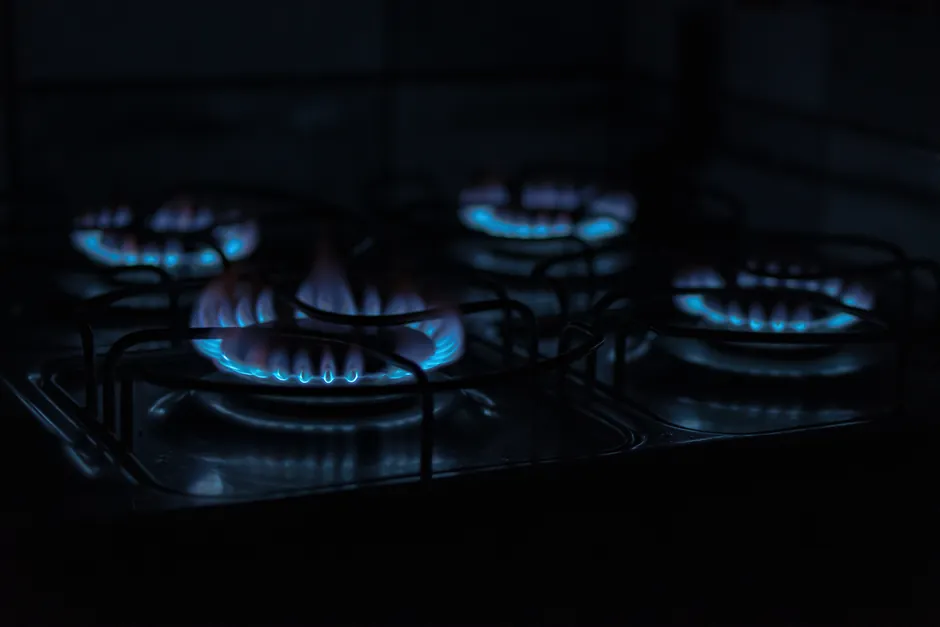
A pilot light that keeps going out, or burner flames that are yellow/orange and lazy instead of crisp and blue, can indicate a gas supply problem or incomplete combustion — which also produces carbon monoxide.
Our pilot light guide covers the common mechanical causes, but if the symptom appears alongside any other sign on this list, treat the whole situation as a gas emergency first and diagnose second. Carbon monoxide is odorless — install CO detectors on every floor regardless.
7. 📋 Exactly What to Do (In Order)
- Leave. Get everyone out of the house immediately — do not stop for belongings.
- Do not touch anything electrical. No light switches, no garage door opener, no phones or electronics inside the house. A spark is all it takes.
- Do not start vehicles in an attached garage.
- Call from outside. Phone your gas utility's emergency line or 911 from a safe distance — across the street, not the front porch.
- Do not re-enter until professionals declare it safe.
- Do not attempt DIY gas repairs. Gas line work requires a licensed professional — always. No exceptions.
After the all-clear, have a licensed plumber or gas fitter inspect and repair the line. Our emergency guide covers what happens next, and these are the signs you need a pro for any gas-adjacent plumbing work.
Frequently Asked Questions
What should I do first if I smell gas in my house?
Leave immediately. Do not flip switches, use phones, or light anything inside. Call your gas utility's emergency line or 911 from outside the house, at a safe distance.
Can I find a gas leak myself?
No. Locating and repairing gas leaks requires professional equipment and licensing. Your only job is to recognize the signs, evacuate, and call professionals.
Does a gas leak always smell like rotten eggs?
The added mercaptan odor is the most common sign, but you can't rely on smell alone — which is why hissing sounds, dead vegetation, physical symptoms, and CO detectors all matter.
Who do I call for a suspected gas leak?
Your gas utility's emergency line first (they respond 24/7 and investigate for free), or 911 if anyone has symptoms or you see visible gas. After the all-clear, a licensed plumber or gas fitter handles repairs.
Smell Gas? Don't Wait.
Gas leaks are never DIY and never wait-and-see. Evacuate, call from outside, and let professionals handle it. After the emergency is resolved, call Best Value Plumb and we'll connect you with a local plumber in Mary Esther, Oakland Park, or Knoxville for inspection and repair.
📞 Call