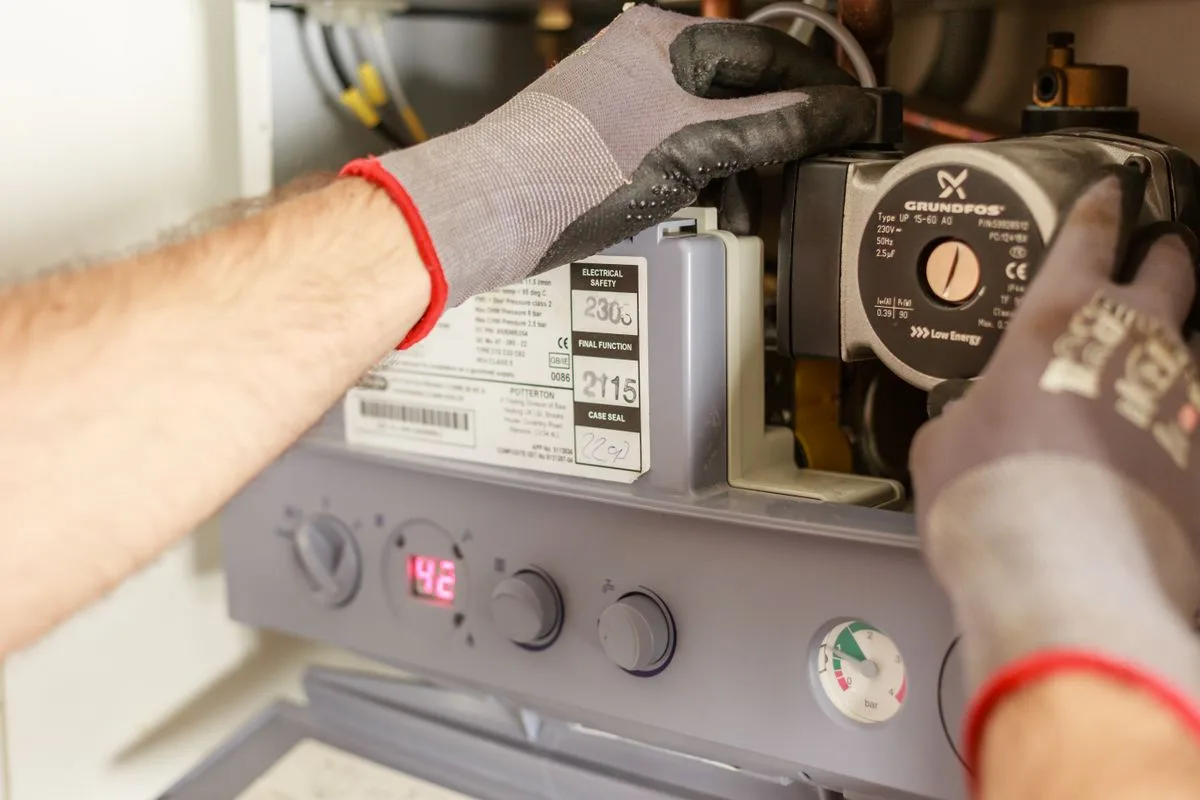
These water heater maintenance tips take less than an hour a year and can add years to your unit's life. Your water heater works hard every single day — heating water for showers, dishes, laundry, and more. Yet most homeowners never think about it until the day it stops working. With proper maintenance, you can significantly extend your water heater's life, improve its energy efficiency, and avoid an unexpected cold-shower emergency.
Here's our comprehensive guide to water heater maintenance — whether you have a traditional tank unit or a modern tankless system.
For Traditional Tank Water Heaters
1. Flush the Tank Annually
Sediment — primarily calcium and magnesium minerals from your water supply — accumulates at the bottom of your tank over time. This layer of sediment acts as an insulator between the burner and the water, forcing your heater to work harder and use more energy. It also creates the popping and rumbling sounds many homeowners notice from older units.
Flushing your tank once a year removes this sediment, restoring efficiency and extending the unit's lifespan. You can DIY this process or have us do it as part of an annual service visit — we recommend the latter to ensure it's done safely and completely.
2. Test the Pressure Relief (T&P) Valve Annually
The temperature and pressure relief valve is one of your water heater's most critical safety components. It automatically releases water if temperature or pressure inside the tank rises to dangerous levels. If it fails, a water heater can become extremely dangerous.
To test it: lift the valve's lever briefly and let it snap back. You should see (and hear) a short burst of hot water released into the drain pipe. If no water comes out or the valve continues dripping after the test, it needs replacement immediately.
3. Replace the Anode Rod Every 3–5 Years
The anode rod (usually made of magnesium or aluminum) is a sacrificial element that protects your steel tank from corrosion by attracting corrosive minerals in the water. As the rod corrodes, it protects the tank — but once it's depleted, the tank itself begins to corrode.
Replacing the anode rod is one of the highest-value maintenance tasks you can do for a tank water heater. A $30–$50 rod replacement can extend tank life by years and prevent a premature (and expensive) full replacement.
4. Insulate the Pipes and Tank
Insulating the first few feet of hot water pipe coming out of your water heater reduces heat loss, meaning your water arrives at the faucet hotter without the heater working extra. Pre-cut foam pipe insulation is available at hardware stores and is easy to install.
Adding an insulating blanket to older tank water heaters (models without built-in insulation) can reduce standby heat loss by 25–45%, translating to real savings on your energy bill.
5. Set the Temperature Correctly
The Department of Energy recommends setting your water heater to 120°F (49°C). This temperature is:
- Hot enough to prevent Legionella bacteria growth
- Safe enough to minimize scalding risk
- Efficient — each 10°F reduction saves 3–5% on water heating costs
Many water heaters are shipped at 140°F, which is higher than necessary and wastes energy. Check your thermostat and adjust if needed.
For Tankless Water Heaters
6. Descale the Heat Exchanger Annually
Tankless units are prone to mineral scale buildup on their heat exchangers — particularly in areas with hard water like Oakland Park and Mary Esther, FL. Descaling (also called flushing) removes this buildup using a vinegar solution and a descaling pump, restoring full heating efficiency.
Skipping annual descaling on a tankless unit in a hard-water area can reduce its efficiency by 20–30% and shorten its lifespan significantly.
7. Clean the Inlet Filter Screen
Tankless units have a small mesh filter screen on the cold water inlet that catches debris from the supply line. Over time this screen can clog, reducing water flow and causing error codes. Clean it annually (or more often if you have an older home with sediment in the water lines).
Signs Your Water Heater Needs Professional Attention
- Water not getting as hot as it used to
- Longer wait time for hot water than previously
- Visible rust or corrosion on the tank or connections
- Water pooling or moisture around the base of the unit
- Unusual noises (popping, rumbling, banging)
- Unit is 10+ years old (tank) or showing error codes (tankless)
Time for a Water Heater Service or Replacement?
Call Best Value Plumb for pricing details — we will connect you with a local pro who services all brands and offers same-day appointments.
📞 CallRelated reading: Tank vs Tankless Water Heater — how to choose the right type when replacement time comes.