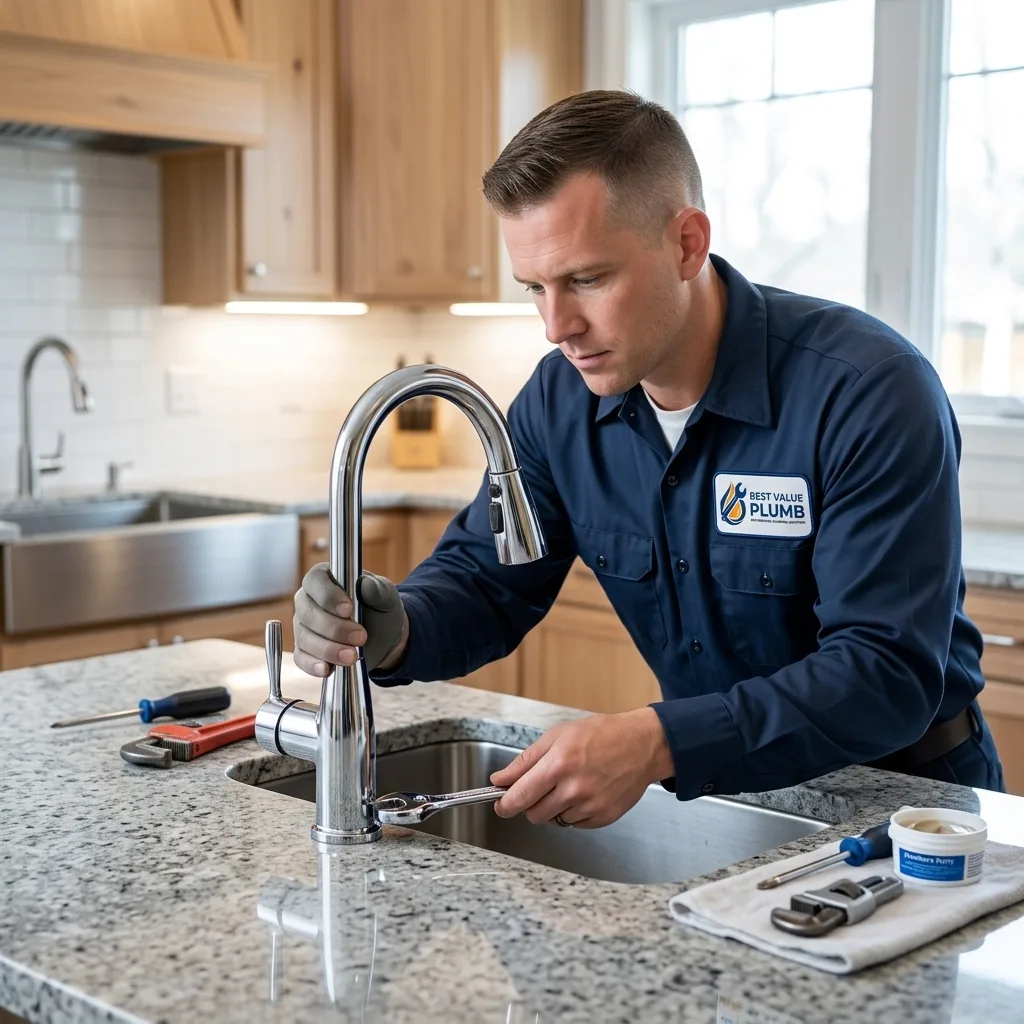
The most expensive bathroom remodel plumbing mistakes are the ones hidden behind the tile — here is how to avoid every one of them. A bathroom remodel is exciting: new tile, new fixtures, a space that finally feels like yours. But behind the pretty finishes is a network of pipes, drains, and vents that has to be exactly right. Plumbing mistakes made during a remodel do not stay hidden for long. They show up as slow drains, sewer odors, leaks inside walls, and rework that costs far more than doing it right the first time.
Whether you are hiring a contractor or tackling parts of the project yourself, these are the seven plumbing mistakes we see most often, and how to avoid each one. For the rough-in and fixture work itself, our bathroom and kitchen plumbing team can make sure everything behind the walls is done to code.
1. 🚿 Moving Fixtures Without Checking Drain Slope and Venting
The most expensive remodel mistake is falling in love with a new layout before checking whether the plumbing can support it. Toilets, showers, and tubs depend on drain pipes sloped precisely so waste flows by gravity, and every fixture needs proper venting so drains flow smoothly and sewer gases stay out of the home. Move a toilet six feet without reworking the drain slope and vent, and you can end up with chronic clogs, gurgling drains, and sewer odors. Always have a plumber evaluate the existing drain and vent layout before you finalize the design.
2. 📏 Installing Undersized Drains
Every fixture needs a drain sized for the volume of water it handles. A shower with a high-flow head on a drain meant for a smaller fixture, or a new soaking tub tied into an old undersized line, will drain slowly no matter what you do at the surface. Worse, an undersized or improperly connected drain can back up under heavy use. Matching drain size to the fixture is a code requirement for a reason, and it is much cheaper to get right during the rough-in than to fix after the tile is down.
3. 🔧 Skipping Individual Shutoff Valves
It is tempting to skip the small stuff to save time, but every fixture should have its own accessible shutoff valve. Without them, a future leak at one sink or toilet means shutting off water to the entire house while you wait for a repair. Individual shutoffs are inexpensive during a remodel and a lifesaver later. Make sure they are actually accessible too, not buried behind a sealed access panel you will never open.
4. 💦 Cutting Corners on Waterproofing
Tile and grout are not waterproof. Water migrates through grout lines and around fixtures, which is why showers and tub surrounds need a proper waterproof membrane behind the tile. Skipping this step, or doing it halfway, leads to water soaking into wall cavities, rotting framing, and feeding mold. Waterproofing is invisible once the tile is up, which is exactly why it gets skipped, and exactly why it matters most.
5. 🔩 DIY Supply Line and Connection Mistakes
Supply lines look simple, but the details matter: using the wrong type of connector, overtightening fittings and cracking them, mixing incompatible metals that corrode, or leaving push-fit connections where they can be stressed. A supply line failure inside a wall can release an enormous amount of water before anyone notices. If you are doing your own finish work, at least have a licensed plumber handle or inspect the pressurized connections.
6. 📋 Skipping Permits and Hiring on Price Alone
Plumbing permits and inspections exist to catch exactly the mistakes described above. Skipping permits to save money can void insurance coverage, cause problems when you sell the home, and leave dangerous work undiscovered. Similarly, hiring a plumber on the lowest bid alone often means corners get cut where you cannot see them. Look for a licensed, insured plumber who explains the work clearly and prices it upfront. Paying for quality rough-in work once is always cheaper than paying for water damage repair later, and if your project uncovers aging or damaged lines, professional pipe repair now beats an emergency later.
Frequently Asked Questions
Can I move my toilet during a bathroom remodel?
Sometimes, but it depends on your drain and vent layout. Toilets need a properly sloped drain and correct venting, and moving one even a few feet can require significant rework below the floor. Have a plumber evaluate the existing plumbing before you commit to a new layout.
Do I need a permit to remodel a bathroom?
Permit requirements vary by location, but most areas require permits when plumbing is moved or altered. Check with your local building department before work begins. Permits trigger inspections that catch mistakes while they are still easy to fix.
Should each bathroom fixture have its own shutoff valve?
Yes. Individual shutoff valves let you isolate a single fixture for repairs without shutting off water to the whole house. They are inexpensive to install during a remodel and make future maintenance far easier.
Is it cheaper to hire the lowest bid for remodel plumbing?
Usually not in the long run. The lowest bid often means shortcuts in the rough-in work you cannot see, which leads to leaks, failed inspections, and expensive rework. Choose a licensed, insured plumber who explains the work clearly and discusses pricing before starting.
Remodeling Your Bathroom?
Get the plumbing behind the walls done right the first time. Call Best Value Plumb and we'll connect you with a local plumber experienced in remodel work — discuss pricing with them before work begins.
📞 Call