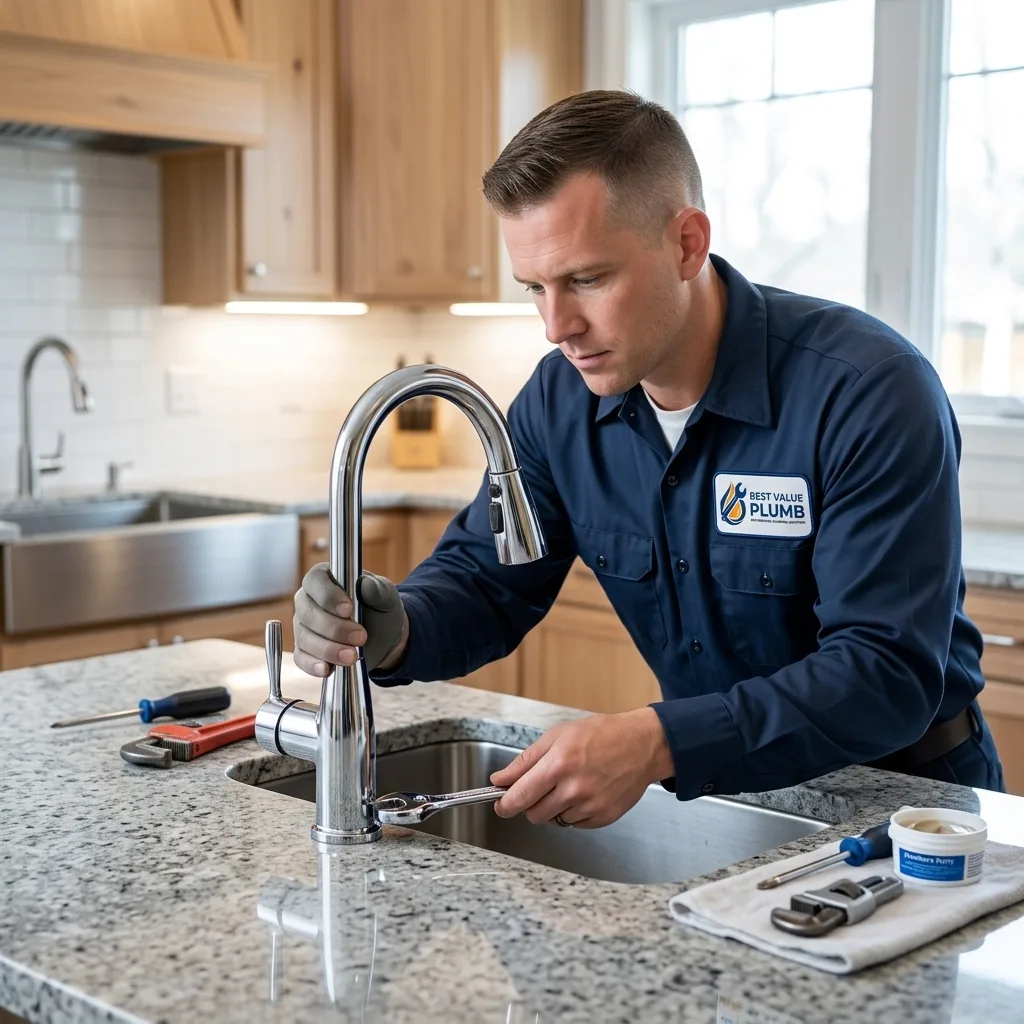
These garbage disposal dos and don'ts come straight from working plumbers — follow them and your disposal will last years longer. Your garbage disposal is one of the hardest-working appliances in the kitchen — and one of the most misunderstood. Used correctly, it handles meal cleanup with ease and lasts for years. Used as a trash can, it will jam, clog your drain line, stink up the kitchen, and eventually die an early death.
As plumbers, we clear disposal-related clogs every week, and almost all of them were preventable. Here are the dos and don’ts that will keep your disposal — and your drains — happy.
1. 🚿 What You Can Safely Put Down
Think of the disposal as a helper for the small stuff, not a replacement for the trash can. Small, soft food scraps are fine: bits of cooked vegetables, small fruit pieces, soft leftovers, and the crumbs you rinse off plates. Cut larger scraps into small pieces first so the unit does not have to work so hard.
The golden rule: run cold water before, during, and after. Start the water, turn on the disposal, feed scraps gradually, and keep water running 15–20 seconds after grinding stops so particles flush fully through the line.
2. 🚫 What You Should Never Put Down
This list covers the items behind the vast majority of disposal jams and kitchen drain clogs we see:
- Grease, oil, and cooking fat — the number one cause of kitchen drain clogs. It hardens in your pipes.
- Coffee grounds — they do not grind up; they pack together into a dense, sludgy mass.
- Fibrous vegetables — celery, onion skins, corn husks, artichokes. The fibers wrap around the impellers and jam the unit.
- Bones, fruit pits, and shells — too hard for a residential disposal; they dull or jam it.
- Pasta, rice, and potato peels — starchy foods swell with water and turn into a thick paste that clogs drains.
- Eggshells — the membrane and ground shell contribute to buildup in the drain line.
- Anything non-food — bottle caps, twist ties, paper, plastic. If it is not food, it does not belong in there.
When in doubt, throw it out. Your trash can never clogs.
3. 🔄 How to Fix a Jammed Disposal (Safely)
If your disposal hums but does not spin — or stops dead mid-grind — it is probably jammed, or the motor overheated and tripped. Here is the safe fix, in order:
First, turn the disposal off and ensure the switch cannot be bumped on. Never put your hand inside — even when it is off. Press the small red reset button on the unit’s bottom. Many units also have a hex socket underneath: insert the Allen wrench and work it back and forth to free the impellers.
Once it turns freely, remove debris with tongs (not fingers), press reset again, restore power, and test with cold water running. If it hums, trips again, or will not reset — stop and call a professional; repeated tripping often means a failing motor.
4. 👃 Getting Rid of Kitchen-Sink Smells
A smelly disposal usually means food particles are trapped under the splash guard or coating the grind chamber. An easy refresh: drop in a tray of ice cubes and run the disposal with cold water — the ice knocks debris loose. Follow with a few citrus peels (lemon or orange) for a fresh scent.
For a deeper clean, add baking soda, wait a few minutes, and flush with cold water while running the unit. Do not forget the rubber splash guard — lift it and scrub underneath with an old toothbrush and dish soap; that hidden gunk is the culprit more often than not.
5. 🛑 When Replacement Makes More Sense Than Repair
Disposals do not last forever. Consider a new unit if it needs frequent resets, jams on foods it once handled, leaks from the unit body, makes new grinding or rattling noises, or takes forever to grind.
A new disposal is a quick, affordable job for a plumber, and modern units are quieter and more efficient than older ones. If your kitchen drain is slow even when the disposal runs fine, the problem may be further down the line — that is when a professional drain cleaning or a visit from our bathroom and kitchen plumbing team is the right call.
Frequently Asked Questions
Can I put coffee grounds down the garbage disposal?
No. Coffee grounds do not break down in a disposal. They clump together into a thick sludge that packs into your drain line and causes stubborn clogs. Toss them in the trash or compost instead.
Why does my garbage disposal hum but not spin?
That usually means something is jammed in the impellers or the motor has overheated and tripped its overload protector. Turn it off, free the jam with the hex wrench underneath, press the reset button, and try again. If it keeps tripping, the motor may be failing.
Is it safe to put my hand in the garbage disposal to clear it?
Never. Even with the switch off, a disposal can injure you. Always disconnect power or ensure the switch is off, then use tongs or pliers to remove debris. If you cannot clear it safely, call a plumber.
How do I get rid of the bad smell coming from my disposal?
Grind ice cubes with cold water to knock debris loose, follow with citrus peels for freshness, and scrub under the rubber splash guard where gunk collects. Persistent odors can also signal buildup deeper in the drain.
Disposal Jammed or Drain Backing Up?
Do not fight a stubborn disposal — or a clogged kitchen drain — alone. Call Best Value Plumb today and we will connect you with a local plumber — discuss pricing with them before work begins.
📞 Call