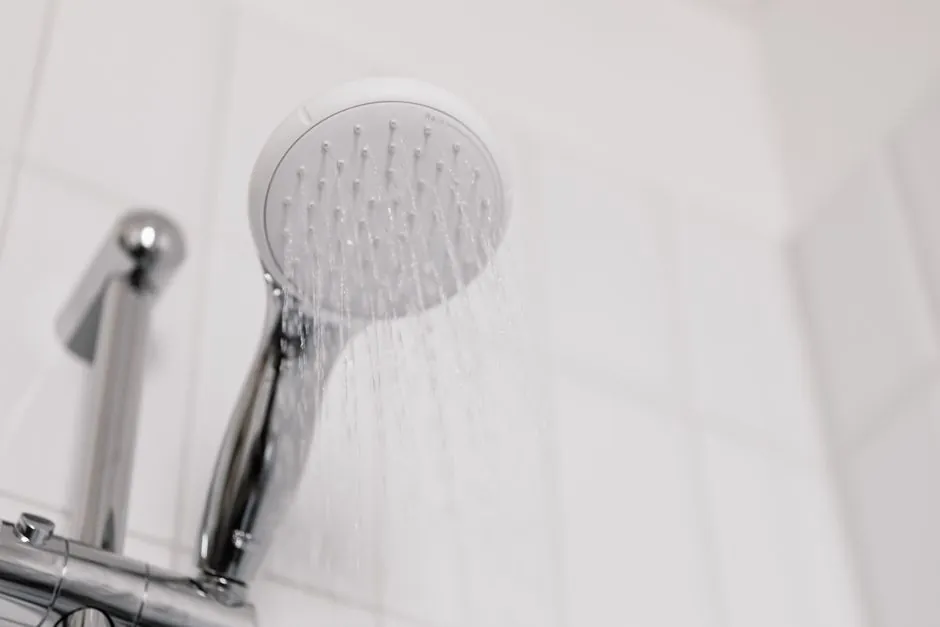
A shower that drips constantly, a handle that is stiff or spins too freely, or water that will not get properly hot or cold — these all point to one part: the shower cartridge. It is the precision component inside the valve that mixes hot and cold, and it wears out every 5–10 years.
Cartridges are brand-specific, but the replacement process follows the same logic across Moen, Delta, and Kohler. Here is the complete walkthrough.
1. 🔍 Identify Your Brand and Model
Look for the brand on the trim plate or handle — Moen, Delta, Kohler, American Standard cover most US showers. If there is no marking, remove the trim and photograph the cartridge; hardware store staff or the manufacturer's support line can identify it from a photo.
Buy before you disassemble: you will be without a working shower until the new cartridge is in. Match the exact model number — “close” cartridges do not seal.
2. 🛑 Shut Off Water and Drain the Line
Use the shower's dedicated shutoffs if present (behind an access panel, often in a closet on the other side of the wall). Otherwise, shut the home's main. Open the shower valve to release pressure and confirm the water is truly off.
Cover the drain with a rag — cartridge clips and screws are exactly the size that vanishes down shower drains.
3. 🔧 Remove Trim and Extract the Cartridge
- Remove the handle (usually an Allen screw under a cap or plug).
- Unscrew the trim plate and sleeve to expose the valve body.
- Remove the retaining clip or nut holding the cartridge (needle-nose pliers for clips).
- Pull the cartridge straight out with a firm twist. Note its orientation — hot side marking matters.
Brand notes: Moen 1225/1222 cartridges often need the dedicated Moen puller tool; Delta's RP series usually pulls by hand once the bonnet nut is off; Kohler cartridges vary most — photograph everything as you go.
4. 🧰 The Stuck Cartridge Playbook
Corroded cartridges seize in the brass valve body. Escalate in order:
- Soak with penetrating oil for 15 minutes.
- Wiggle with channel-locks on the cartridge stem — never on the valve body.
- Use the brand-specific cartridge puller tool ($15–$25, worth every penny).
- As a last resort, carefully break the old cartridge apart and extract pieces — protecting the valve body's inner walls from scoring.
Stop and call a plumber if the valve body itself starts flexing, if pipes behind the wall move, or if the cartridge breaks off flush. A cracked valve body inside the wall is a much bigger job than a cartridge swap.
5. ✅ Install the New Cartridge
Apply plumber's grease to the new cartridge's O-rings (usually pre-applied). Slide it in matching the original orientation exactly — many cartridges have a “hot” marking or a 180-degree rotational limit stop that must face the right way.
Reinstall the clip/nut, trim, and handle. Turn water back on slowly and check for leaks around the valve before closing the access panel. Test hot, cold, and full-off positions.
6. ⚠️ When the Valve Body Is the Problem
If the new cartridge still drips, the valve body's internal seats are likely scored or corroded — especially on 20+ year old valves. At that point the valve body needs replacing, which means opening the wall.
That is also the natural moment to consider an upgrade: modern pressure-balancing or thermostatic valves are safer (anti-scald) and more comfortable. Our bathroom remodel guide covers valve upgrades in context, and plumber cost data helps you budget it.
Frequently Asked Questions
How do I know what shower cartridge I need?
Identify the brand from the trim plate, then match the model — photograph the removed cartridge and compare at the store or with the manufacturer's parts finder. Cartridges are brand- and model-specific.
How long does a shower cartridge last?
5–10 years typically. Hard water shortens life; stiff handles, dripping, and temperature issues are the wear symptoms.
Can I replace a shower cartridge myself?
Yes, in most cases — it is a 30–60 minute job with basic tools. The exception is a severely corroded cartridge seized in the valve body, where forcing it risks cracking the valve.
Why does my shower still drip after replacing the cartridge?
The valve body's seats may be scored or corroded, the cartridge may be the wrong model, or it may be installed 180 degrees off. Recheck orientation first, then suspect the valve body.
Cartridge Stuck or Valve Damaged?
Most cartridge swaps are straightforward — but a seized cartridge or scored valve body inside the wall is where DIY ends and pro begins. Call Best Value Plumb and we'll connect you with a local plumber in Mary Esther, Oakland Park, or Knoxville who can finish the job without opening more wall than necessary.
📞 Call