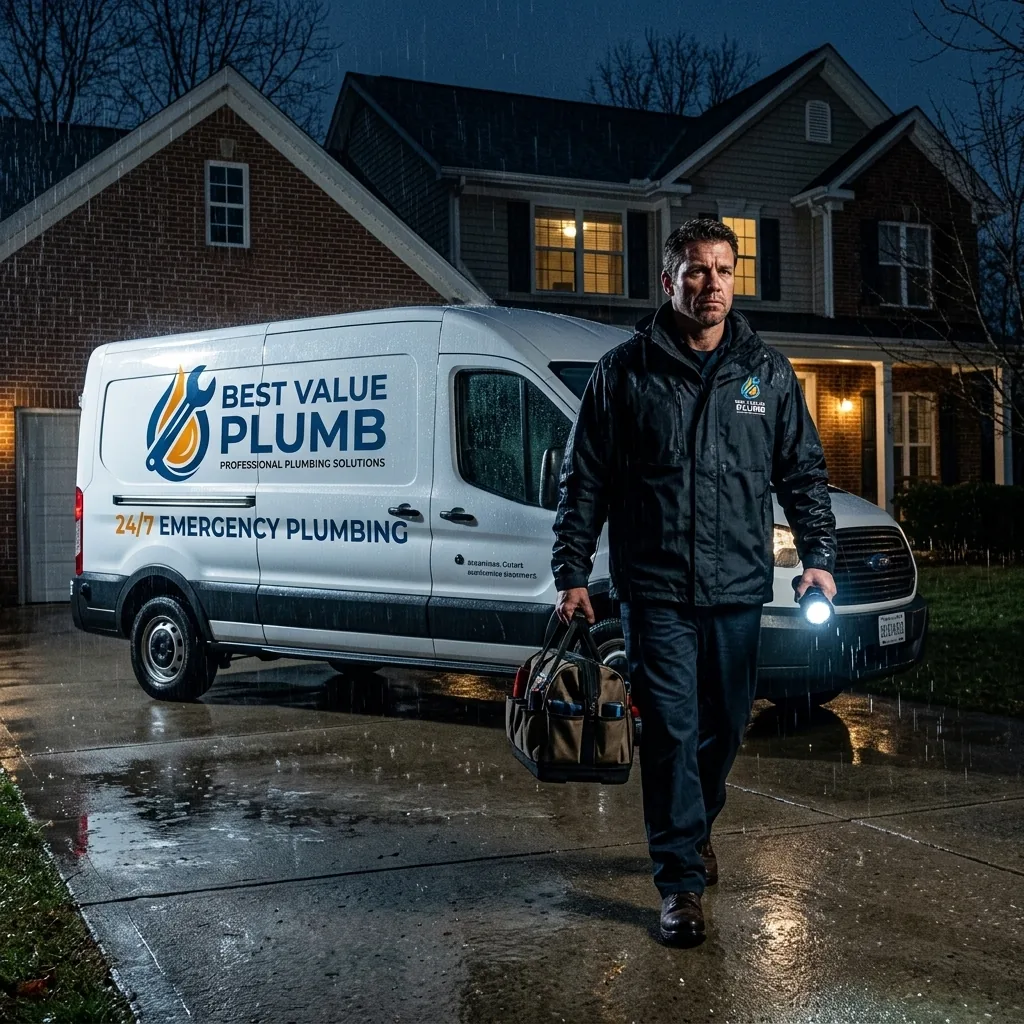
Think of this hurricane season plumbing checklist as Florida-specific: it covers what Gulf Coast homes need before a storm makes landfall. Hurricane season runs from June through November, and in Mary Esther, on Florida’s Panhandle near the Gulf, every season brings the same question: is your home ready? High winds get the headlines, but for your plumbing the real threats are flooding, flying debris, power outages, and the pressure that stormwater puts on drains and sewer lines.
A little preparation goes a long way. The checklist below covers what to secure before a storm, what to know how to shut off, and what to inspect after the skies clear. Work through it at the start of the season — not when a storm is already on the radar.
1. 🌀 Secure Outdoor Fixtures and Hoses
Walk your yard and secure or store anything the wind can turn into a projectile — and anything a projectile can smash into. Garden hoses, portable irrigation parts, outdoor shower heads, and loose PVC fittings should come inside or be strapped down. Turn off your irrigation system at the controller so it is not running pointlessly through a downpour, and make sure exposed valves and backflow preventers are shielded from debris.
If you have an outdoor kitchen or an exterior shower, close their individual supply valves if they have them. A broken exterior fixture can spray water for hours during a storm when nobody can safely get outside to stop it.
2. 🍂 Clear Gutters, Drains, and Grading Around the Home
Your plumbing includes everything that moves water away from your house. Clogged gutters dump sheets of water against the foundation, and blocked yard drains turn heavy rain into standing water around your slab.
- Clear gutters and downspouts of leaves and debris, and confirm downspouts direct water away from the foundation
- Clear yard drains, French drain grates, and any storm drains near your driveway
- Check that soil still slopes away from the house — settled grading lets water pool against the structure
If drains around your home run slowly even in normal rain, have them serviced before hurricane season. Our drain cleaning team can clear blockages while the weather is still calm.
3. 🔑 Know How to Shut Off Your Water
Before a storm, make sure you know exactly where your main water shutoff is and that the valve actually turns. Label it so anyone in the household can find it in a hurry. Learn the shutoff for your water heater at the same time.
If you are evacuating or flooding is expected, shutting off the main before you leave is smart insurance — a broken line in a flooded, empty house can run for days. When in doubt, shut it off.
4. 🔥 Protect Your Water Heater
Water heaters in garages and utility rooms can tip or shift in flooding and high winds. Make sure yours is properly secured or strapped, with solid connections that are not already corroded.
Know how to cut power at the breaker (electric) or gas at its shutoff valve, plus the cold-water inlet valve on top of the tank. If floodwater reaches the unit, do not restart it yourself — have it inspected first.
5. 🚫 Watch for Backflow and Sewer Backup Risks
When several inches of rain fall in a few hours, municipal sewer systems can be overwhelmed, and water can push back toward homes through floor drains and lower fixtures. If your home has a backflow preventer, make sure it was installed correctly and is in working order before storm season.
During and after heavy flooding, avoid running dishwashers, washing machines, and long showers — extra wastewater increases the chance of a backup. If sewage backs up through any drain, stop using your plumbing and call for help.
6. 🔍 Inspect Your Plumbing After the Storm
Once it is safe, walk through this quick check before life returns to normal:
- Run each faucet and look at the water — discoloration or sputtering can mean air or sediment in the lines
- Check under sinks, around the water heater, and at outdoor spigots for leaks or damage
- Look for new wet spots on ceilings and walls, which can signal a roof or pipe leak
- If water pressure is low throughout the house or any fixture behaves strangely, have it checked
Storm damage does not always show up immediately. If anything seems off after a hurricane, call our 24/7 emergency plumbing line — our Mary Esther team handles post-storm plumbing problems all season.
Frequently Asked Questions
Should I shut off my water before a hurricane hits?
It depends. If you are staying and no flooding is expected, you can usually leave it on. If you are evacuating or floodwater is likely, shut off the main valve before you leave to prevent a broken line from flooding your home while you are gone.
Is it safe to use my plumbing during a hurricane?
Generally yes, as long as you have water service and there is no flooding. Avoid heavy water use during extreme rainfall, and stop using your drains immediately if you see sewage backing up or water draining very slowly everywhere at once.
What should I do about my water heater before a storm?
Make sure it is secured or strapped, and know how to shut off its power or gas supply and its cold-water inlet valve. If floodwater reaches the unit, do not restart it yourself — have a professional inspect it first.
Who do I call for plumbing damage after a hurricane in Mary Esther?
Call Best Value Plumb any time, day or night. Call Best Value Plumb any time, day or night, and we'll connect you with a local plumber in Mary Esther FL for emergency help, including post-storm leak repairs and fixture replacements.
Storm-Damaged Plumbing in Mary Esther?
Hurricane season is rough on plumbing. If the storm left you with leaks, backups, or water heater trouble, call Best Value Plumb — our 24/7 line connects you with local emergency plumbers.
📞 Call