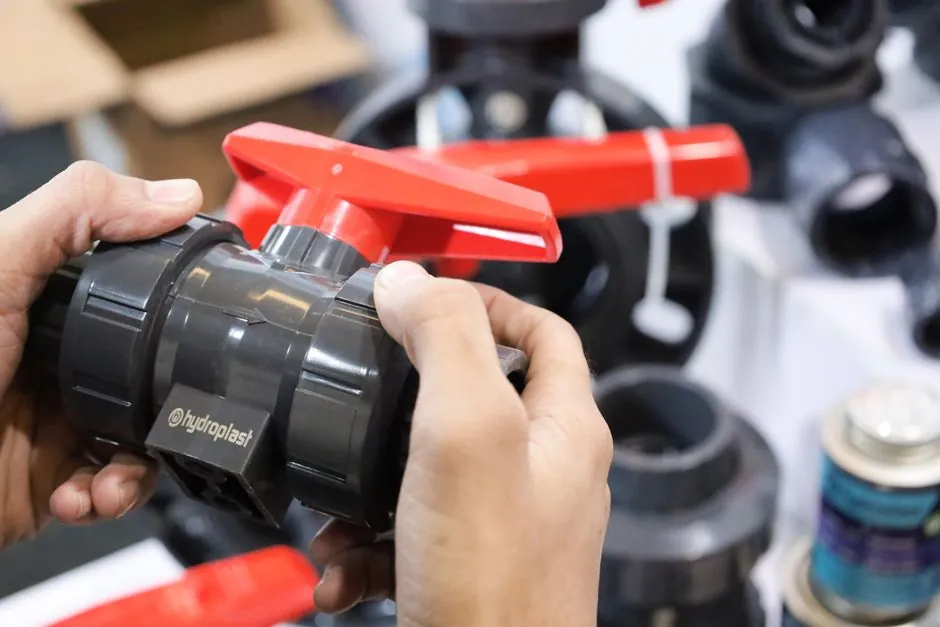
Water damage does not pause while you are on vacation. Turning off the water when you go on vacation is the simplest way to prevent it. A burst washing machine hose or a failed supply line can run for your entire trip — insurance data consistently ranks “water damage while away” among the most expensive homeowner claims, precisely because nobody is there to catch it early.
Twenty minutes of prep before you leave prevents the nightmare homecoming. Here is the checklist.
1. 🚰 Turn Off the Main Water Supply
The single highest-impact step. Shutting the main valve means even if something fails, only the water already in the pipes can escape — gallons, not thousands of gallons.
Know where your main shutoff is before travel day (test it now — old gate valves seize). If your home has a smart water shutoff with leak sensors, confirm it is armed.
2. 🚿 ...Or at Least the Big Three
If shutting the main feels like too much (some worry about irrigation or fire sprinklers — do not shut off fire suppression), at minimum close:
- Washing machine valves — burst hoses are the #1 away-from-home flood.
- Toilet supply valves.
- Ice maker / fridge water line — a failed plastic line floods kitchens silently.
3. ♨️ Set the Water Heater to Vacation Mode
Most heaters have a “vacation” setting that keeps water warm enough to prevent bacterial growth without wasting energy on full heating. For gas units without the setting, turn the dial to the lowest “pilot” position.
Do not turn the heater completely off in winter — in freezing climates the residual heat helps protect nearby pipes. (See frozen pipe prevention for Knoxville winters.)
4. 🚽 Toilets: A Little Prep
Pour a bucket of water into each bowl to ensure traps are full, and consider draping plastic wrap loosely over bowls in warm climates — it dramatically slows trap evaporation and keeps sewer gas (and the dry-trap smell) out while you are gone.
5. 🧊 Ice Maker and Water Dispenser
Turn off the ice maker (lift the bail arm or flip the switch) and shut its supply valve. An ice maker left running with the water on can jam, overflow, or keep a slow leak feeding for days.
6. 🌡️ Thermostat: Don't Go Too Low
In winter, keep the thermostat at 55°F minimum — the heating bill is nothing next to a burst-pipe flood. In summer, 80–85°F with the AC running controls humidity that feeds mold. Smart thermostats with freeze alerts are worth their weight here.
7. 👁️ Get Eyes on the House
Ask a neighbor or friend to walk through every couple of days — or hire a house-check service. Give them the plumber's number and show them the main shutoff location. A two-minute walkthrough catches what sensors miss.
8. 📱 Consider Leak Sensors
$25 smart leak sensors under the washing machine, water heater, and kitchen sink send phone alerts at the first sign of water. For frequent travelers, an automatic shutoff valve that closes the main on detection is the gold standard.
9. 🧳 The 5-Minute Final Walkthrough
Right before you leave: run each faucet briefly (confirms nothing was left running), check under sinks for existing drips, make sure the dishwasher and washing machine are off and empty, and glance at the water heater for any active leaking. Then lock up and enjoy the trip — see what to do before the plumber arrives if you ever do come home to a surprise.
Frequently Asked Questions
Should I turn off my water when going on vacation?
Yes — it is the single most effective flood-prevention step. With the main off, even a burst pipe can only release the water already in the lines.
What temperature should I leave my house in winter while away?
At least 55°F. Below that, pipes — especially on exterior walls — risk freezing. The heating cost is trivial compared to burst-pipe damage.
Should I turn off my water heater when on vacation?
Set it to vacation mode or its lowest setting rather than fully off. In winter, keep some heat in the system to protect nearby pipes.
Will my pipes freeze if I turn off the water in winter?
Turning off water doesn't prevent freezing — standing water in pipes can still freeze and burst them. Keep the heat on at 55°F+ and consider draining vulnerable lines for long winter absences.
Travel With Peace of Mind
Twenty minutes of prep beats coming home to a flood — every time. And if you want leak sensors or an auto-shutoff valve installed before your next trip, Call Best Value Plumb and we'll connect you with a local plumber in Mary Esther, Oakland Park, or Knoxville.
📞 Call