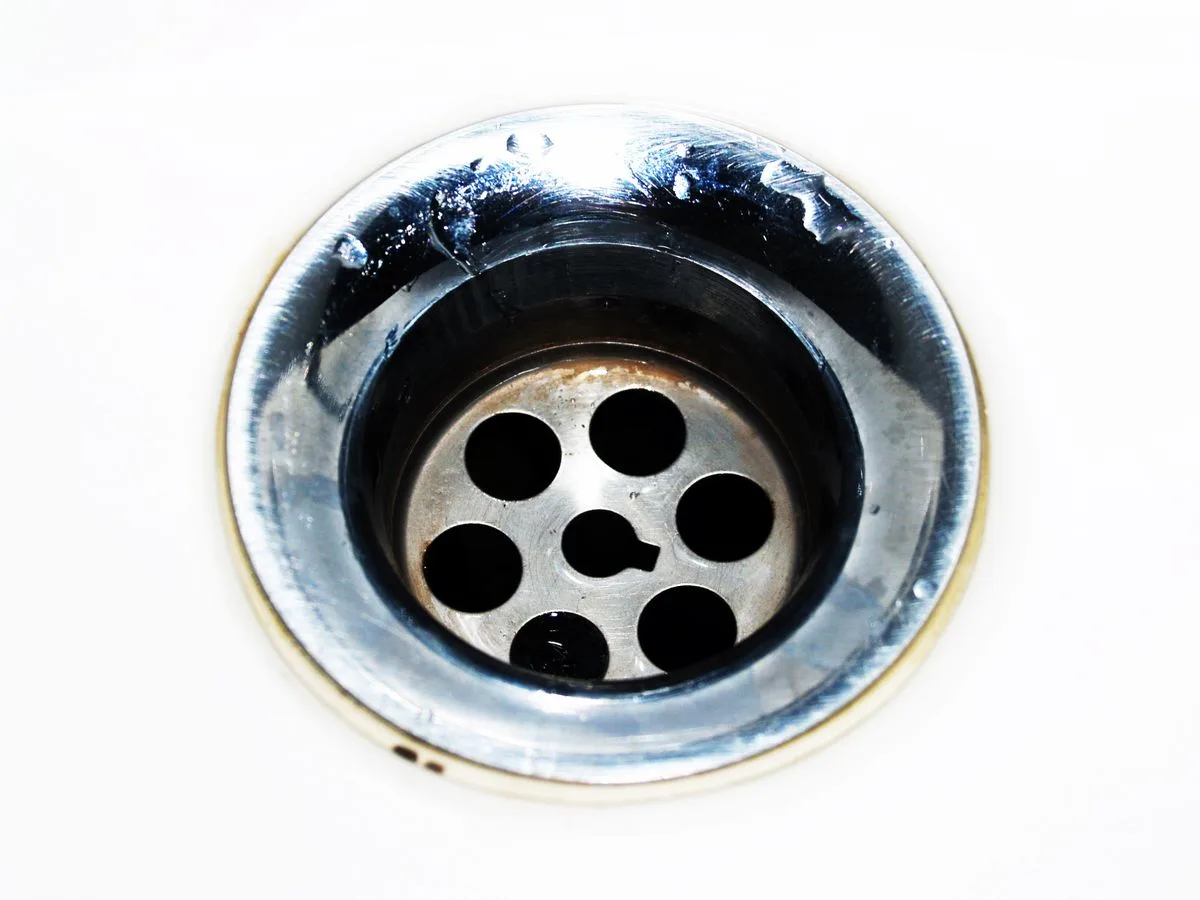
If you need drain cleaning in Fort Lauderdale, FL, picture this: you live in a 1950s ranch in Victoria Park, and every time the washing machine drains, the shower stall fills with two inches of gray water. You plunge, you try the store-bought drain opener, and things improve for a week. Then the gurgling starts again — that low bubbling from the bathroom sink when the dishwasher runs. If that sounds familiar, your drains are not asking for another bottle of chemical cleaner. They are asking for professional drain cleaning, and Fort Lauderdale homes have their own specific reasons for needing it.
Fort Lauderdale is the Venice of America — 165-plus miles of waterways, canals backing up to backyard seawalls, and a water table just three to five feet below the surface in many neighborhoods. That geography shapes your plumbing: sandy soil shifts around pipe joints, tree roots chase moisture through tiny openings in older clay and cast-iron lines, and salt air corrodes exposed metal faster than it does a few miles inland. A drain problem here is rarely just hair in the P-trap. This guide covers the warning signs, how plumbers actually clear drains, what the work costs locally, how camera inspections work, and the habits that keep drains flowing between cleanings.
The Signs Your Drains Need Professional Attention
A single slow drain in one bathroom is usually a local clog — hair and soap scum in the trap, something a homeowner can often handle. The picture changes when more than one fixture misbehaves at the same time. That is the hallmark of a blockage in a branch line or the main sewer line, and it is the clearest signal to call a professional instead of reaching for another bottle of cleaner.
Watch for this cluster: multiple drains slowing at once, water backing up in one fixture when another drains (the shower filling when the washer runs), and sewage odors from floor drains or the kitchen sink. A rotten-egg smell means hydrogen sulfide from wastewater decomposing behind a partial blockage. Gurgling is air trapped behind a clog bubbling back through your traps — by the time you hear it, the restriction is significant.
In Fort Lauderdale, take drains that slow after heavy rain seriously. The high water table means prolonged rain saturates the soil around your sewer line; if the line has a crack, offset joint, or root intrusion, groundwater seeps in and overwhelms the restricted pipe. Homeowners near the canals — Sailboat Bend, Rio Vista, Harbor Beach — often report backups coinciding with rainy weeks. Mention this when you call; it tells the plumber to inspect the line itself, not just the blockage.
Why Fort Lauderdale Drains Clog the Way They Do
Understanding the local causes helps you judge whether a drain problem is a quick fix or the start of something bigger. Three factors dominate in this part of South Florida.
A high water table and sandy soil
Much of Fort Lauderdale sits four to six feet above sea level, with groundwater three to five feet below grade — right where sewer laterals run. Sandy soil shifts easily when saturated, and joints in clay tile or aging cast iron can separate by a quarter inch or more. That gap admits tree roots and lets fine sand infiltrate, settling in bellies (low spots) and narrowing the flow path. Sand accumulation is a distinctly Florida problem.
Mature tree roots hunting for water
Fort Lauderdale's canopy — banyans, ficus, and live oaks shading Victoria Park, Colee Hammock, and Coral Ridge — sends feeder roots 30 to 50 feet toward the most attractive water source around: your sewer lateral. Roots enter through hairline cracks and separated joints, then expand into a fibrous mat that catches toilet paper, grease, and soap residue. A root mat can choke a 4-inch line to an effective 1-inch opening in two to three growing seasons, and regrowth typically demands attention again within 12 to 24 months unless the entry point is repaired.
Salt air and older pipe materials
Homes built from the 1950s through the 1970s in Sailboat Bend and Lauderdale Manors often still run on cast-iron drain lines, which corrode from the inside out. After 40 to 60 years, interior scale snags debris and shrinks the pipe's diameter, while salt air pits exposed metal — cleanout caps, hose bibs, water heater fittings. When a camera reveals heavy scaling, snaking clears the immediate clog but the pipe is nearing the end of its service life — a conversation worth having before the next backup.
What a Professional Drain Cleaning Visit Looks Like
Knowing the process ahead of time takes the mystery out of the appointment and helps you judge whether the plumber is being thorough. A proper visit follows a consistent sequence.
First comes a 10- to 15-minute interview and walkthrough: which fixtures are affected, when it started, whether rain matters, what you have tried. Then the plumber runs water at each fixture, notes drain speed, listens for gurgling, and locates your cleanouts — the capped 3- or 4-inch access pipes near an exterior wall. Many older Fort Lauderdale cleanouts sit buried under mulch; clear yours before the appointment and save 20 minutes of digging.
Next is the cleaning itself. Localized clogs are worked from the nearest fixture or cleanout; main-line problems from the main cleanout so the full diameter gets treated. Straightforward snaking takes 45 to 90 minutes; hydro jetting runs two to three hours including setup and the follow-up camera check.
The visit should end with verification: water run through the affected fixtures at full speed, and the camera footage shown to you if one was used. That footage becomes your baseline record. If it reveals a cracked, offset, or root-compromised section, get a written summary with distances measured in feet from the cleanout — so any future repair quote can be compared apples to apples.
Snaking vs. Hydro Jetting: Which Method Fits Your Clog
These are the two workhorse methods, and they solve different problems. Understanding the difference helps you understand the quote you are given.
Drain snaking (auger service)
A drain snake is a flexible steel cable — 25 to 100 feet long, 1/4 to 3/4 inch in diameter — with a spinning cutting head that bores through blockages and scrapes the pipe wall. It is the right tool for solid obstructions: hair mats, small root intrusions, flushed objects, hardened grease plugs. It restores flow quickly and is the cheapest option at $125 to $200 per line in Fort Lauderdale. The limitation: a snake punches a path through the clog without scouring the walls, so grease and scale coatings remain and the line can reclog within months.
Hydro jetting
Hydro jetting blasts water at 3,000 to 4,000 PSI through a specialized nozzle — forward to break the blockage, backward to propel the nozzle and flush debris to the cleanout. Where a snake punches a hole, a jetter pressure-washes the full interior circumference back to near-original diameter. It is the right tool for grease-coated kitchen lines, heavy cast-iron scale, settled sand, and fibrous root masses. Jetting a residential main line costs $300 to $600, and results last two to five years versus months for snaking on buildup-driven clogs. The trade-off: jetting needs an intact pipe. A plumber should camera-inspect older lines first, because 4,000 PSI in cracked clay tile can turn a crack into a collapse.
Tree Root Intrusion in Older Neighborhoods
Root intrusion deserves its own section because it is the single most common cause of recurring main-line backups in Victoria Park, Sailboat Bend, Colee Hammock, and other neighborhoods with mature canopies and pre-1980 sewer laterals. Here is how it typically plays out.
Year one, the downstairs toilet burps air when the shower drains. A plumber snakes the main line, pulls back root fibers, and flow is restored for $150 to $250. It feels like a fix — but the snake only cut roots inside the pipe. The living root mass outside, fed by the same failed joint, regrows within 12 to 24 months (faster for ficus and banyan), thicker than before, because cut ends branch like a pruned hedge.
Long-term answers come in three tiers. Scheduled maintenance — snaking or jetting every 12 to 18 months at $150 to $350 per visit — manages the symptom indefinitely. Chemical root treatment (foaming dichlobenil, $100 to $200) inhibits regrowth for 6 to 12 months and works best right after a mechanical cleaning. The permanent fix is repairing the entry point: a sectional point repair ($1,500 to $4,000) or full lateral replacement or lining ($4,000 to $12,000+). If you need clearing more than once a year, three years of repeat visits often approaches the cost of a point repair.
One local note: excavation near a canal or seawall must respect setback rules and may require coordination with your seawall contractor, plus city permits for lateral replacements. An experienced local plumber flags this before digging, not after.
What Drain Cleaning in Fort Lauderdale, FL Costs
Prices vary by access, line length, and method, but the local market is consistent enough to give real ranges. Use these as your baseline when comparing quotes.
- Single fixture snaking (bathroom sink, tub, or shower): $125 to $200. Usually completed in under an hour.
- Kitchen line snaking: $150 to $250. Grease lines take longer because the cable work is slower and messier.
- Main sewer line snaking: $200 to $350. Depends on distance to the blockage and whether the cleanout is accessible or buried.
- Hydro jetting, residential main line: $300 to $600. Higher end for long runs or lines needing pre-cleaning before jetting.
- Camera inspection: $100 to $250 as a standalone service; many plumbers discount it to $50 to $100 — or include it free — when bundled with a cleaning.
- After-hours emergency service: add $100 to $200 to the standard rate for nights, weekends, and holidays.
Two pricing red flags: the $49 whole-house drain cleaning on coupon mailers — that price never covers a real main-line cleaning and exists to upsell at the door — and any major-repair quote given without camera footage. A diagnosis you cannot see is one you cannot verify. Get the footage, the measurement in feet from the cleanout, and a second quote for anything over $1,500.
Camera Inspections: Seeing the Real Problem
A drain camera is a waterproof head on a 100- to 200-foot push rod with a built-in transmitter. A locator wand above ground tracks the signal, pinpointing the camera's position and depth. Seeing the problem and knowing exactly where it is — that combination is what separates modern diagnosis from guesswork.
On the monitor, a trained eye reads the pipe's story: scaling flaking off cast iron, a belly holding standing water, a clay joint offset an inch with root fibers streaming through, a section flattened oval under soil pressure. The plumber records distances, so a quote can state the break is 47 feet from the cleanout at 5 feet deep — specific enough for a second plumber to verify. These are classic sewer line problems in Florida's sandy soil.
When is the $100 to $250 worth it? Always in three situations: a main-line blockage in a home over 30 years old, a clog returning within six months of cleaning, or any recommendation for excavation or replacement. It is also smart before buying an older Fort Lauderdale home — a $200 inspection can reveal an $8,000 lateral replacement hiding under the driveway, exactly the finding that belongs in a negotiation.
Habits That Keep Drains Clear Year-Round
Professional cleaning resets your drains, but daily habits determine how long the reset lasts. None of these require special products — just consistency.
In the kitchen: grease never goes down the drain, not even with hot water and dish soap — hot water just moves it further down, where it cools and hardens into a coating that requires jetting. Pour grease into a can, let it solidify, and trash it. Scrape plates before rinsing, run cold water 15 to 20 seconds after the disposal, and keep coffee grounds, eggshells, and fibrous vegetables out of the disposal — it chops them but does not dissolve them.
In the bathroom, hair is the main enemy — a $5 mesh drain cover catches what would otherwise mat with soap scum six feet down the line. Clean it weekly. Skip so-called flushable wipes entirely; they do not break down like toilet paper and are a leading cause of main-line clogs in older homes. Flush only toilet paper and human waste.
- Monthly hot-water flush: Fill the kitchen sink with the hottest tap water, then release it all at once. The volume and heat melt fresh grease films before they harden. Five minutes, once a month.
- Enzyme treatments: Monthly bacterial enzyme products (not chemical cleaners) digest organic buildup in the line. They work slowly and preventively — they will not clear an existing clog, but they extend the time between professional cleanings. See how to prevent drain clogs for the full routine.
- Know your cleanout: Locate your main cleanout now, while nothing is wrong. Clear landscaping away from it and make sure the cap turns. In an emergency backup, an accessible cleanout is the difference between a quick service call and water damage.
- Watch what the trees do: If you plant new trees, keep large species at least 20 feet from the sewer lateral's path. For existing mature trees near the line, budget for a camera check every two to three years.
- Fix slow drains early: A drain that slows gradually over weeks is a partial blockage growing. Calling at the slow stage means a routine cleaning; waiting until sewage backs into the shower means an emergency plumbing visit at emergency rates — plus cleanup.
Fort Lauderdale's water, soil, and tree canopy make drain maintenance a fact of homeownership, not an occasional chore. The homeowners who spend the least over ten years notice the early signs, get a camera inspection when a clog repeats, and match the method to the problem. If your drains are telling you something right now — the gurgle, the slow shower, the smell — listen early. It is always cheaper than listening late.
Frequently Asked Questions
How much does professional drain cleaning cost in Fort Lauderdale?
Most residential drain cleanings in Fort Lauderdale run $125 to $350 depending on the method and which line is affected. A single fixture snaking is $125 to $200, a main sewer line snaking is $200 to $350, and hydro jetting a main line runs $300 to $600. After-hours emergency visits typically add $100 to $200 to the standard rate.
How do I know if my clog is in the main sewer line or just one drain?
When multiple fixtures are affected at once — for example, the shower fills when the washing machine drains, or the toilet gurgles when the sink runs — the blockage is in a branch or main line, not a single fixture. Sewage odors from drains and backups in the lowest fixture in the house (usually a shower or floor drain) also point to a main-line problem that needs professional equipment.
Is hydro jetting safe for older pipes in Fort Lauderdale homes?
Hydro jetting at 3,000 to 4,000 PSI is safe for sound PVC, cast iron, and clay tile, but a plumber should camera-inspect the line first if the home is over 40 years old. Pressurized water in a cracked or collapsed section can worsen the damage. A reputable plumber will always verify pipe condition with a camera before jetting an older line.
Why do my drains back up after heavy rain?
Fort Lauderdale's water table sits just three to five feet below the surface, so heavy rain saturates the soil around your sewer lateral. If the line has a crack, separated joint, or root intrusion, groundwater seeps in and overwhelms the already-restricted pipe. Drains that worsen after storms usually indicate a damaged line, not just a clog, and warrant a camera inspection.
How often should tree roots be cleared from a sewer line?
After the first root clearing, expect regrowth within 12 to 24 months for aggressive species like ficus and banyan, which are common in Fort Lauderdale. Scheduled snaking or jetting every 12 to 18 months manages the problem. If you need clearing more than once a year, compare the cumulative cost against a point repair ($1,500 to $4,000) that seals the entry point permanently.
Can I use chemical drain cleaner before calling a plumber?
It is better not to. Chemical cleaners rarely dissolve the real causes of Fort Lauderdale clogs — roots, scale, and sand — and the heat they generate can soften PVC or warp older pipes. If you have already used one, tell the plumber before they begin, because residual chemicals can splash during snaking or jetting and cause burns.
What should I expect during a camera inspection?
The plumber feeds a waterproof camera on a 100- to 200-foot push rod through the line while a locator tracks its position and depth above ground. You should be shown the live footage, told exactly what was found and how many feet from the cleanout it sits, and given a recording. As a standalone service it costs $100 to $250, and it is the only reliable way to diagnose recurring main-line problems.
Drains Slowing Down? Get Them Flowing Again
Do not wait for a slow drain to become a sewage backup. Our Fort Lauderdale plumbers diagnose the real cause with camera inspection and clear it with the right method the first time.
📞 Call +1 (850) 904-1147