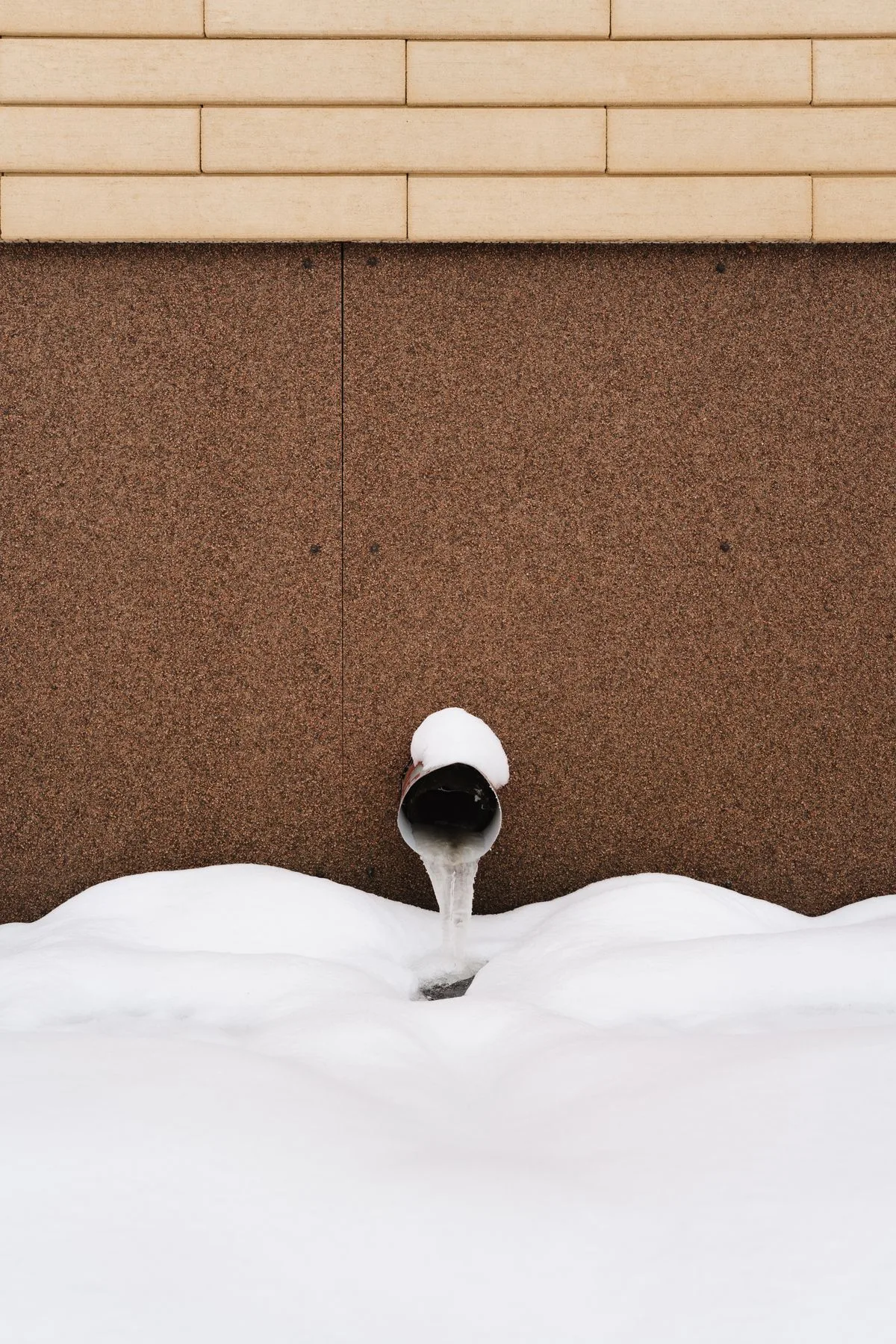
Protecting outdoor faucets from freezing in Tennessee is one of the highest-return maintenance tasks of the fall: the first hard freeze arrives overnight in late November or December, and by morning a homeowner in Knoxville discovers the outdoor faucet split wide open, water streaming down the brick and pooling against the foundation. The repair is a $150 to $300 service call — sometimes more if the burst pipe is inside the wall. The prevention would have cost about ten dollars and twenty minutes back in October.
Tennessee sits in an awkward middle ground for freeze risk. Winters are mild enough that many homes were built with standard hose bibs — simple spigots that keep water right at the exterior wall — instead of frost-free sillcocks. But the state still sees plenty of nights in the teens and low 20s between November and March, and a single night at 20 degrees freezes a standard faucet solid. The Knoxville area averages 50 to 60 sub-freezing nights each winter, coldest in January. This guide covers bib types, the exact shutoff-and-drain procedure, which covers work, what to do if a faucet is already frozen, and the crawlspace pipe details that catch Tennessee homeowners off guard.
Frost-Free vs. Standard Hose Bibs: Know What You Have
Before you do anything else, identify which type of outdoor faucet you have, because the protection strategy is completely different. Walk outside and look at the spigot.
A standard hose bib is short — the valve seat sits right at the exterior surface, so a column of water stays trapped in the pipe section inside the wall when you shut it off. That water freezes, expands about 9 percent, and splits the pipe or faucet body. Standard bibs are common on Tennessee homes built before the mid-1990s. If your spigot is a simple short fixture with no long stem, treat it as freeze-vulnerable.
A frost-free sillcock looks similar outside but has an 8- to 12-inch stem extending through the wall into the heated interior. The valve seat sits at the inner end, inside the warm envelope — shut it off and the outer stem drains empty through the spout, leaving nothing to freeze. If your home was built or replumbed after the late 1990s and the faucet has a modern quarter-turn handle, it is likely frost-free.
The critical detail most homeowners miss: a frost-free faucet only protects itself if the hose is disconnected. A garden hose left attached traps water in the stem and defeats the entire design. Every winter, plumbers replace frost-free sillcocks that froze because a hose was left connected. The hose is always step one, regardless of faucet type.
Step One: Disconnect Every Hose Before the First Freeze
This is the single most important action, and the deadline in Tennessee is earlier than most people think. The first freeze — defined as temperatures dropping to 32°F — typically arrives in the Knoxville area between late October and mid-November. Hard freezes in the low 20s usually follow within a few weeks. Set a calendar reminder for mid-October: that is hose-disconnect season.
The procedure takes five minutes per spigot. Unscrew the hose, drain it by stretching it downhill, and store it in the garage or shed — not coiled on the ground, where trapped water freezes and cracks it. Disconnect splitters, timers, and quick-connect fittings too; anything threaded onto the spigot traps water against the valve.
After disconnecting, open the faucet briefly to drain remaining water, then close it. For standard bibs this is only the prerequisite for the steps below. For frost-free bibs, hose disconnection plus this drain-down is the complete winterization in most Tennessee winters — an insulated cover adds cheap insurance during the coldest snaps.
Insulated Faucet Covers: Five to Fifteen Dollars of Insurance
Foam faucet covers — the dome-shaped insulated caps at every hardware store each fall — cost $5 to $15 and are the simplest upgrade for standard hose bibs. They trap a pocket of still air around the faucet, and residual warmth from the house keeps that pocket several degrees above outside air. In Tennessee's typical winter lows (teens to low 20s), that margin is often the difference between intact and burst.
Installation is trivial: fit the cover over the spigot and tighten the drawstring, strap, or sliding lock plate so it seals against the wall. The seal matters — a cover hanging loose with a gap at the wall does almost nothing, because cold air circulates freely. For odd-shaped faucets with vacuum breakers or backflow preventers (the bulky anti-siphon caps now required by code on new installations), buy the oversized cover rather than forcing a standard one; compressing the insulation reduces its effectiveness.
Covers are not magic. In a prolonged deep freeze — multiple single-digit nights, which Tennessee sees every few winters — a cover alone may not save an unprotected standard bib on a north-facing wall. Pair covers with the interior shutoff procedure below for maximum protection.
The Interior Shutoff-and-Drain Procedure
Most Tennessee homes have an interior shutoff valve for each outdoor faucet, usually in the basement, crawlspace, or utility room where the pipe run begins. It lets you cut water to the exterior line and drain the section between valve and spigot — leaving nothing to freeze. This is the gold-standard protection, and how plumbers winterize homes. Here is the full procedure:
- Find the interior shutoff. Trace the pipe from the outdoor faucet back inside. In basements, look along the rim joist near the exterior wall. In crawlspaces, the valve is usually within a few feet of where the pipe exits through the foundation. It will be a gate valve (round wheel handle) or a ball valve (lever handle). If you cannot find one, your outdoor line may tee directly off the main without a dedicated shutoff — note that for a plumber, because adding one costs $150 to $250 and pays for itself the first winter it prevents a burst.
- Close the interior valve. Turn a gate valve clockwise until it stops; swing a ball valve lever so it sits perpendicular to the pipe. Do not overtighten an old gate valve — if it has not moved in years, it may weep afterward, which is a sign it needs replacement.
- Go outside and open the faucet fully. Leave it open. Water trapped between the interior valve and the spigot drains out by gravity.
- Drain the line at the low point. Many interior shutoffs have a small drain cap (a bleeder) on the side of the valve. Place a bucket underneath, unscrew the cap, and let the remaining water in the line drain out. This step matters because the pipe between the valve and the faucet may dip below the spigot level, trapping water that gravity alone will not clear.
- Leave the outside faucet open all winter. An open faucet cannot trap pressure. If any residual moisture freezes, expansion pushes harmlessly out the spout instead of splitting the pipe.
- Install the insulated cover over the open faucet for the extra layer of protection.
In spring — after the last freeze, typically late March in East Tennessee — reverse the process: close the outside faucet and bleeder cap, reopen the interior valve slowly, and check both for drips over 24 hours. A valve closed all winter sometimes reveals a worn washer when reopened; a slow drip at the bleeder cap usually just needs a quarter turn.
What to Do If a Faucet Is Already Frozen
You wake up, the temperature is 19 degrees, and the outdoor faucet will not budge — or worse, you see water running down the siding. Act in the right order.
First, if you see active leaking, shut off the interior valve to that line immediately (or the main house shutoff if you cannot find the dedicated valve). A burst pipe inside the wall can pump gallons per minute into the wall cavity, and every minute counts. Then call a plumber — this is a job for emergency plumbing if water is entering the house, because wall cavities soak fast and mold follows within 48 to 72 hours.
If the faucet is frozen but not leaking, you may be able to thaw it. Open the faucet handle so meltwater has somewhere to go — thawing against a closed faucet builds pressure. Apply gentle heat: a hair dryer on medium held 6 to 8 inches away, moved constantly along the pipe and faucet body, or warm (not hot) towels replaced as they cool. Work from the faucet toward the wall so melting water escapes outward. Never use a torch or open flame — the temperature spike can crack the fixture and start a fire inside the wall. Thawing takes 20 to 45 minutes. Once water flows, monitor the interior wall for dampness over the next day; a frozen pipe may have micro-cracks that only leak once fully thawed.
Even after a successful thaw, have the line inspected — a freeze stretches the metal, and a faucet that froze once is more likely to fail again. If this winter brought a freeze scare, get a quote for upgrading to frost-free sillcocks ($175 to $350 per faucet installed). It is a one-time upgrade that removes the annual anxiety.
Protecting Outdoor Faucets From Freezing in Tennessee: When to Act
Time your winterization to Tennessee's actual climate. Here is the typical East Tennessee rhythm:
- Mid-October: Disconnect hoses and store them. Overnight lows start dipping into the 30s; the first 32-degree night often lands between late October and mid-November.
- Early to mid-November: Install insulated covers and perform the interior shutoff-and-drain on standard bibs. The first hard freeze (mid-20s or below) usually arrives by late November.
- December through February: Peak risk. Knoxville averages 15 to 25 nights below 25°F across these three months, with January the coldest. Keep covers on and lines drained.
- March: Risk tapers but is not gone — late freezes into the 20s happen most years in early to mid-March. Wait until nighttime lows are reliably above freezing for two full weeks before recommissioning outdoor faucets.
West and Middle Tennessee run a few degrees colder, and the Cumberland Plateau sees earlier first freezes — sometimes early October. Adjust a week or two earlier at elevation. Watch for the pattern behind most Tennessee burst pipes: a warm week in the 60s followed by a sudden overnight plunge into the teens. When a 40-degree drop is forecast, do the hose check that evening.
Crawlspace Pipe Notes for Tennessee Homes
Many Tennessee homes sit over vented crawlspaces, and those pipes deserve the same attention as the faucets. Vented crawlspaces track outdoor temperatures closely — on a 20-degree night, an uninsulated crawlspace can sit at 25 degrees, freezing any water line it contains.
Walk your crawlspace before winter (or have a plumber check it during a fall annual plumbing inspection) and verify three things. First, pipe insulation: foam sleeves on all water lines with no gaps at elbows and tees — a one-foot bare section is all it takes. Sleeves cost $3 to $6 per six-foot length. Second, crawlspace vents: close them for winter or cover with fitted foam vent covers ($4 to $8 each). Third, seal gaps where pipes penetrate the foundation — wind blowing directly on a pipe freezes it fast.
One more crawlspace risk: washing machine supply lines. Replace rubber hoses with braided stainless steel ($15 to $25 per pair) if yours are over five years old — rubber hoses are a freeze-and-burst risk as well as a flood risk.
Upgrades Worth Considering
If you are tired of the annual ritual — or if a freeze already cost you a repair bill — three permanent upgrades change the equation.
Frost-free sillcock replacement ($175 to $350 per faucet installed) is the single best upgrade for homes with standard bibs. The valve seat moves 8 to 12 inches inside the heated envelope, and with hoses disconnected, the faucet essentially winterizes itself. Most replacements take one to two hours.
Adding interior shutoff valves ($150 to $250 per line) gives you the shutoff-and-drain option described above — the prerequisite upgrade that makes every future winter simple.
Heat cable on exposed runs ($30 to $60 in materials per run, plus a thermostat plug) is worth it for any line that must stay charged through winter, like a detached garage sink. Self-regulating cable adjusts its output to the temperature. It supplements insulation — it does not replace it.
Twenty minutes in October, a few dollars in covers, and — if your home needs them — a couple of one-time upgrades. That is the entire cost of never worrying about burst outdoor faucets again.
Frequently Asked Questions
What is the difference between a frost-free and a standard hose bib?
A standard hose bib keeps water right at the exterior wall, so trapped water freezes and bursts the pipe. A frost-free sillcock has an 8- to 12-inch stem with the valve seat inside the heated house, so the outer section drains empty when shut off. However, a frost-free faucet only works if the garden hose is disconnected — a connected hose traps water and defeats the design.
When should I winterize outdoor faucets in Tennessee?
Disconnect all hoses by mid-October, before the first 32-degree night, which typically arrives between late October and mid-November in East Tennessee. Install insulated covers and complete the interior shutoff-and-drain procedure by early to mid-November, ahead of the first hard freeze in the low 20s. Wait until late March, after two full weeks of above-freezing nights, to recommission.
My outdoor faucet is already frozen. What should I do?
Open the faucet so meltwater can escape, then apply gentle heat — a hair dryer on medium 6 to 8 inches away, or warm towels replaced as they cool — working from the faucet toward the wall. Never use a torch or open flame. Thawing takes 20 to 45 minutes. If you see active leaking at any point, shut off the interior valve immediately and call a plumber, because the pipe has burst inside the wall.
Do insulated faucet covers actually work?
Yes, for typical Tennessee winter lows in the teens to low 20s, a properly sealed $5 to $15 foam cover keeps the air pocket around the faucet several degrees warmer — often the difference between intact and burst. They are not enough alone during prolonged single-digit cold snaps, so pair them with the interior shutoff-and-drain procedure on standard bibs for full protection.
How do I shut off and drain an outdoor faucet line for winter?
Close the interior shutoff valve, open the outside faucet fully, and drain the line at the valve's bleeder cap into a bucket. Leave the outside faucet open all winter so any residual moisture expands harmlessly out the spout. In spring, close the faucet and bleeder, reopen the interior valve slowly, and check for drips over the next 24 hours.
What about the pipes in my crawlspace?
Vented crawlspaces in Tennessee track outdoor temperatures closely and can sit in the mid-20s on a cold night. Insulate all water lines with foam sleeves ($3 to $6 per six-foot length), close or cover the foundation vents for winter, and seal gaps where pipes penetrate the foundation. Replace rubber washing machine hoses with braided stainless steel if they are over five years old.
Get Your Home Winterized Before the First Freeze
Do not let a $10 cover turn into a $300 burst-pipe repair. The local pros we connect you with winterize outdoor faucets, insulate crawlspace lines, and upgrade standard bibs to frost-free — scheduled at your convenience before winter hits.
📞 Call +1 (850) 904-1147